

Getting Married in Greece: A Complete Guide for US Couples
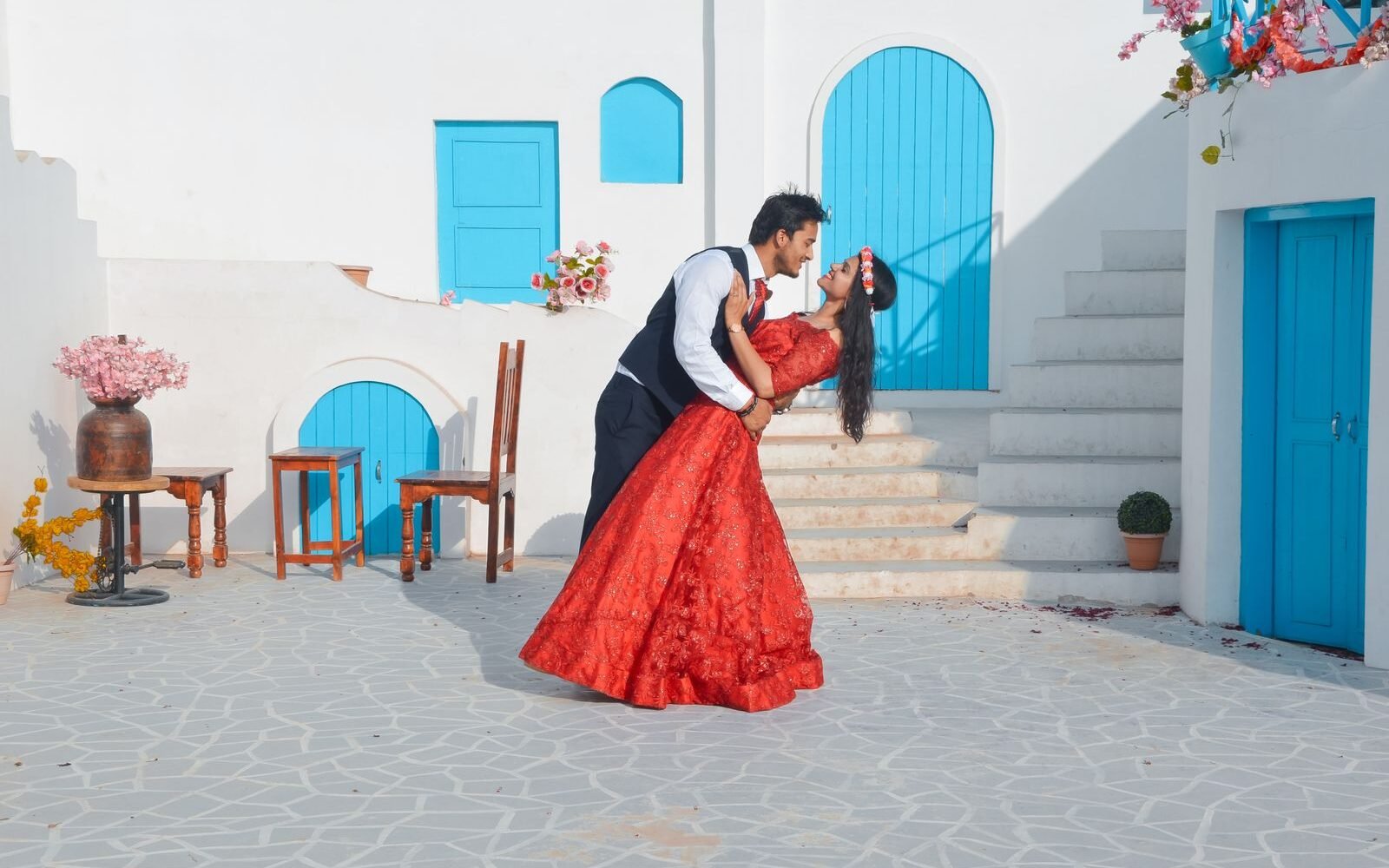
Few places make a wedding feel as timeless as Greece. Whitewashed villages, warm light and the blue of the Aegean give every photograph a sense of calm luxury. For couples traveling from the United States, a Greek wedding is also a project with real logistics. This guide walks you through what getting married in Greece actually involves, from the legal steps to the island you choose, so the planning feels as beautiful as the day itself.
Civil, religious or symbolic
Your first decision shapes everything else. A civil ceremony at a town hall is legally binding and the most straightforward for foreign couples. A religious ceremony in a Greek Orthodox church carries more requirements and usually asks that at least one partner be Orthodox. Many destination couples choose a third path. They complete the legal marriage at home, then hold a symbolic ceremony in Greece with no paperwork at all. That option gives you total freedom over the location, the timing and the style.
The paperwork, in plain terms
For a legally binding civil wedding in Greece you will generally need valid passports, birth certificates, a sworn declaration of no impediment to marriage and official translations of your documents into Greek. Many papers must be issued recently, often within a few months of the wedding, and some require an apostille stamp to be recognized abroad. Requirements vary by municipality, so a local wedding planner earns their fee here. Start gathering documents at least four to six months out.
Choosing your setting
Greece is not one backdrop but many. The right island depends on the feeling you want.
- Santorini for dramatic caldera views and sunset ceremonies.
- Mykonos for glamour, nightlife and a stylish guest list.
- Crete for space, history and larger celebrations.
- Paros and Naxos for a quieter, more traditional island feel.
- Athens for couples who want a city base with ancient views.
If you are still weighing options, our guide to choosing the right Greek island breaks down the trade offs in more detail.
When to marry
Peak season runs from June through September, with long sunny days and warm evenings. July and August bring the strongest heat and the largest crowds. Many couples prefer late May, early June or September, when the light is still golden, the sea is swimmable and venues are easier to book. Whatever month you choose, plan the ceremony for the late afternoon so your guests, and your makeup, are not fighting the midday sun.
Where bridal beauty fits in
Greek light is beautiful and unforgiving. The heat, the sea breeze and the humidity all test how long your look will last. This is where a specialist who works in these conditions every season makes the difference. A destination bridal artist plans your hair and makeup around the climate, your dress and your ceremony time, and stays with you so every touch up is handled. To learn how to vet an artist from abroad, read our piece on choosing a bridal makeup artist in Greece.
A simple planning order
- Set your budget and guest count first.
- Choose the island, then the venue.
- Lock your date and legal path.
- Book the key vendors early, including hair and makeup.
- Arrange travel, accommodation and a trial close to the date.
Getting married in Greece rewards couples who plan with a little lead time and the right local partners. Handle the paperwork early, choose a setting that matches your style, and surround yourself with people who know the islands. The rest is sunshine, good food and a celebration you will remember for the rest of your lives.